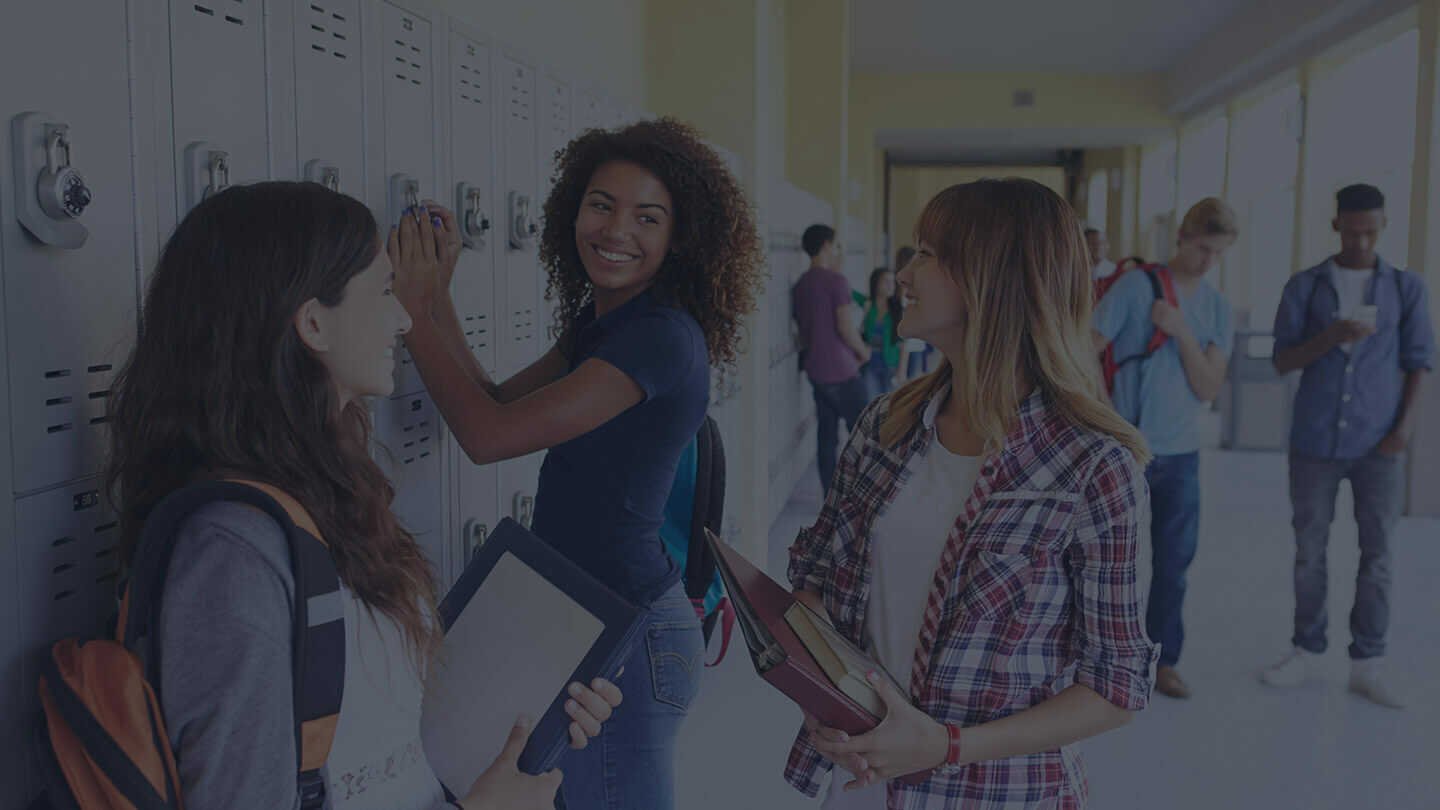

Juvenile Delinquency: Understanding the Causes, Consequences, and Prevention
Introduction
Submit Your Work With 100% Confidence.
Stop guessing. Get a full Turnitin report or let us manually rewrite your work to bypass AI and plagiarism detection..
Juvenile delinquency refers to the participation of minors in illegal activities, which can range from petty crimes to more serious offenses. This issue has long been a matter of concern for societies worldwide, as it not only affects the individual involved but also has significant consequences for families, communities, and the overall criminal justice system. Understanding the causes, consequences, and prevention strategies of juvenile delinquency is crucial for addressing this problem effectively. In this article, we will explore the various factors contributing to juvenile delinquency, its consequences, and the measures that can be taken to prevent it.
Causes of Juvenile Delinquency
Several factors can contribute to the development of juvenile delinquency. While it is important to note that not all individuals exposed to these risk factors will become delinquents, they do increase the likelihood of such outcomes. Some common causes include:
1. Family Influences
The family plays a crucial role in shaping a child’s behavior. Disruption in family dynamics, such as divorce, parental substance abuse, neglect, or domestic violence, can have a profound impact on a child’s development. Children growing up in dysfunctional families are more vulnerable to delinquency due to lack of supervision, inconsistent discipline, and limited emotional support.

Get an Official Turnitin Report for Just $8.99!
Scan your work before submitting. Get an official Turnitin report or let us manually rewrite your work to bypass AI and plagiarism detection.
SCAN MY WORK NOW!2. Peer Pressure
During adolescence, peers have a significant influence on an individual’s behavior. The desire to fit in and gain acceptance can lead young individuals to engage in delinquent activities they would not have considered otherwise. Peer pressure can push juveniles into substance abuse, vandalism, theft, or even participation in gangs, as they seek validation and a sense of belonging.
3. Socioeconomic Factors
Economic disadvantage is another contributing factor to juvenile delinquency. Poverty, lack of access to quality education, and limited employment opportunities can create an environment where young individuals turn to crime as a means of survival or as an attempt to fulfill material desires. The frustration and hopelessness resulting from such circumstances can lead to engagement in illegal activities.
4. Substance Abuse
The abuse of drugs and alcohol significantly increases the likelihood of juvenile delinquency. Substance abuse can impair judgment, increase impulsivity, and decrease inhibitions, making individuals more prone to criminal behavior. Moreover, substance abuse often leads to involvement in other criminal activities to sustain the habit or acquire the substances.
5. Mental Health Issues
Mental health problems, such as conduct disorders, attention deficit hyperactivity disorder (ADHD), or oppositional defiant disorder (ODD), can contribute to delinquent behavior among juveniles. These conditions may affect a child’s ability to regulate emotions, control impulses, and make sound decisions, making them more susceptible to engaging in unlawful activities.
Consequences of Juvenile Delinquency
The consequences of juvenile delinquency extend beyond the individual offender. They have a profound impact on society as a whole. Some significant consequences include:
1. Long-Term Criminal Behavior
If juvenile delinquency is not addressed effectively, it can lead to a pattern of criminal behavior persisting into adulthood. Individuals who engage in delinquency during their youth are more likely to become repeat offenders, creating a cycle of criminal activity that is challenging to break.
2. Educational and Employment Challenges
Juvenile delinquency can have a detrimental impact on a young person’s education and future employment prospects. Academic performance often suffers, leading to a higher likelihood of dropping out of school. Additionally, having a criminal record can limit employment opportunities, perpetuating a cycle of poverty and criminality.
3. Negative Impact on Mental Health
Engagement in delinquent behavior can negatively impact a juvenile’s mental health. The stress, guilt, and shame associated with criminal activities can lead to emotional and psychological distress, increasing the risk of developing mental health disorders such as anxiety or depression.
4. Strained Family and Community Relationships
Juvenile delinquency can strain familial and community relationships. The family of a delinquent may experience emotional turmoil, financial burdens, and social stigma. Additionally, the community may suffer from increased fear, reduced trust, and decreased overall well-being due to the presence of juvenile crime.
Prevention Strategies
Addressing juvenile delinquency requires a comprehensive and multifaceted approach that focuses on prevention rather than solely punitive measures. Some effective prevention strategies include:
1. Early Intervention Programs
Implementing early intervention programs that target at-risk youth can significantly reduce the likelihood of delinquent behavior. These programs provide support, mentoring, counseling, and educational opportunities to children and families facing various risk factors. By addressing these risk factors early on, the programs aim to prevent delinquency before it occurs.
2. Strengthening Family Support
Enhancing family support systems is crucial for preventing juvenile delinquency. Providing parenting education, counseling, and support services to families facing challenges can help improve parent-child relationships, increase supervision, and promote healthy family dynamics. Strong family bonds serve as protective factors against delinquency.
3. Quality Education and Skill Development
Ensuring access to quality education and skill development programs is essential for preventing juvenile delinquency. By providing educational opportunities that are engaging, relevant, and cater to diverse learning needs, young individuals are more likely to stay in school and acquire the necessary skills for a successful future.
4. Community Engagement and Mentoring
Engaging the community in prevention efforts and providing positive role models through mentoring programs can have a significant impact on reducing delinquency rates. Community-based organizations, volunteers, and mentors can provide guidance, support, and opportunities for youth to develop positive relationships and engage in constructive activities.
5. Restorative Justice Approaches
Emphasizing restorative justice approaches rather than purely punitive measures can help rehabilitate juvenile offenders and prevent recidivism. Restorative justice focuses on repairing the harm caused by the offense through dialogue, mediation, and community involvement. This approach holds the offender accountable while addressing the underlying causes of their behavior.
CCJS398 Law Enforcement Field Training
Conclusion
Juvenile delinquency is a complex issue influenced by various factors. By understanding the causes, consequences, and prevention strategies associated with this problem, societies can work towards effectively addressing and reducing juvenile delinquency rates. By investing in early intervention programs, strengthening family support, providing quality education, fostering community engagement, and embracing restorative justice approaches, we can create an environment that supports the healthy development and positive choices of our youth. Ultimately, the prevention of juvenile delinquency benefits not only the individual but also the well-being and future of our communities as a whole.
LET US HUMANIZE YOUR PAPERS – No Plagiarism Guarantee!
Need assistance with your writing? Look no further! Our team of skilled writers is prepared to provide you with prompt writing help. Rest assured, your work will be entirely original and free from any plagiarism, as we offer a guarantee against it. Experience swift and dependable writing assistance by reaching out to us today!
Top-Rated AI Text Humanizer | GET Flawless content for All Your PROJECTS!